
10 Things To Consider When Buying A Bus
A ten-point checklist for the committee: experience, funding, warranty, amenities, safety, and the CDL legislation that shapes every other choice.
By Paul Cook
Published
This article was reviewed and updated on August 14, 2026.
A comprehensive checklist for your next bus purchase
Purchasing a bus for sale is frequently a lengthy process that requires careful consideration.
Whether you are a church, school, or senior care facility, forming a committee to oversee the acquisition is often the first step.
To help your team make the best decision, we have compiled the top 10 factors you must consider before signing on the dotted line.
1. Experience matters
Transportation committee members with industry experience are the most likely to anticipate potential issues. This experience can range from automotive sales to local purchasing.
It is also critical to interview several bus dealers. Look for a partner with a heart for safe transportation.
A quality dealer will ask specific questions: Which departments (youth, seniors) will use the vehicle? Is a wheelchair lift needed? What are the seating implications of adding accessibility features?
2. Finances and funding
Mass transportation is a large capital expenditure. You must decide early on if the purchase will be financed locally or handled through a major lending institution.
Does the dealer have resources to assist in finding financing options?
Depreciation is also a factor. Ask if the dealer has a formal method for estimating vehicle values over time, or if they offer a way to lease or try the vehicle before committing to a full purchase.
3. Understanding the warranty
The bus industry differs from the automotive industry because it rarely has a single, all-encompassing warranty plan.
The chassis (Ford or Chevy), the body (Starcraft or Glaval), the rear air conditioner, and the tires often carry separate warranties with different lengths and mileage limits. One component can still be covered while another has already run out.
Ask any dealer for a written breakdown of what each component covers, for how long, and who performs the warranty work. A vague answer is something you want to discover before you buy, not after a breakdown.
How Carpenter Bus handles warranty coverage
Every new bus and van from Carpenter Bus is covered from the day you buy it. Coverage comes in three levels, and each term is measured in years or miles, whichever you reach first.
| Coverage | Cost | Term | What is covered | Who it is for |
|---|---|---|---|---|
| SilverCare | Free | 5 years / 60,000 miles | Powertrain and chassis. Body stays under the manufacturer warranty. | Every customer, every new bus and van |
| GoldCare | $800 one time | 7 years / 70,000 miles | Entire vehicle, bumper to bumper | Any customer who wants to upgrade |
| PlatinumCare | Free | 8 years / unlimited miles | Entire vehicle, bumper to bumper | Churches and senior care communities |
PlatinumCare is the reason many churches and senior care communities buy from us. Eight years of bumper to bumper coverage with no mileage cap is not standard in this industry, and for qualifying organizations it is included at no cost.
What happens when you need a repair
If you have a covered mechanical failure, call our warranty administrator at 615-477-6765. Once the repair is approved, you can use a qualified shop in your own city rather than bringing the bus back to Tennessee.
You pay a flat $100 deductible per claim on all three coverage levels. We settle the rest with the repair shop directly, including approved parts and labor.
Coverage begins on the day of purchase or the official in-service date. It runs alongside the factory warranty and continues after that factory coverage expires. Routine maintenance and consumable items such as wiper blades, filters, and fluids are not covered.
Full terms and conditions are on our bus warranty page.
4. Presentation and amenities
Today, organizations are sensitive to presenting the best possible image to their community. Bus manufacturers offer a wide range of fit, finish, and amenities to meet this need.
Seating options range from basic vinyl to anti-microbial fabrics and premium leather. Popular comfort options include:
- Side Sliders: Seats that move 2 inches toward the aisle to create hip room.
- Storage: Overhead racks, rear luggage compartments, and under-floor bays.
- Convenience: Footrests, tray tables, and beverage holders.
For a closer look at fabric levels and colors, see our bus seating options page.
5. Prioritizing safety
15-passenger vans have historically been scrutinized for safety issues. Many insurance companies and legislators are implementing requirements to phase them out entirely.
15-passenger buses are the safer alternative.
Buses are designed with a steel cage construction and a lower center of gravity to reduce rollover risk. Dual rear wheels add stability, while a low first step and grab rails make entering the vehicle much safer for seniors and children.
For more on passenger safety statistics, visit the National Highway Traffic Safety Administration (NHTSA).
6. Legislation and CDL requirements
While commercial buses are acceptable for most settings, schools often face different requirements (such as Type "A" school bus standards).
Additionally, federal law generally requires a Commercial Driver's License (CDL) for any vehicle designed to transport 16 or more passengers (including the driver).
Note: In states like California and Pennsylvania, stricter requirements may apply to even smaller vehicles. Always check your local laws.
7. Vehicle life and maintenance
The average shuttle vehicle life is eight to ten years. Unfortunately, shuttles are often the least serviced vehicles in the nation.
Confirming a commitment to regular safety and service checks is a critical part of ministry transportation.
Consider where the vehicle will be parked. An oversized garage or barn can significantly improve the vehicle's appearance and trade-in value years down the road.
8. Popular sizes and trends
Over the last several years, the 15-passenger and 26-passenger sizes have dominated the market, accounting for a significant portion of sales.
Recently, organizations have increasingly chosen 30+ passenger vehicles to maximize efficiency.
While diesel engines remain an option, they account for a small percentage of sales in the shuttle market due to the high initial cost and improvements in gas engine durability.
9. Investment expectations
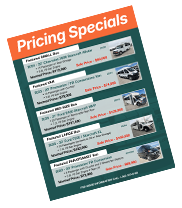
What can you expect to invest? Prices vary significantly based on customization.
A basic 15-passenger bus is a significant investment, while a 40+ passenger deluxe touring coach can cost substantially more.
When budgeting, be sure to include the "hidden" costs: insurance premiums, fuel, routine maintenance, parts and repair, and driver training.
10. What is new in technology
Technology is changing the way we drive. Many insurance companies are now willing to share costs or offer discounts to customers who install driver safety cameras.
Additionally, installing a GPS tracking system makes monitoring the location and speed of your vehicle easy, improving overall safety and accountability.
Frequently Asked Questions
What is the most popular bus size for churches?
The 15-passenger bus (Non-CDL) is the most popular because it allows organizations to utilize volunteer drivers without requiring a Commercial Driver's License. The 25-passenger bus is a close second for growing groups.
How do I know if I need a CDL?
If the vehicle is rated to carry 16 or more people (including the driver), federal law requires a CDL with a Passenger endorsement. If the capacity is 15 or fewer, a regular license is usually sufficient.
What warranty comes with a new Carpenter Bus?
Every new bus and van includes SilverCare free, covering the powertrain and chassis for 5 years or 60,000 miles. Churches and senior care communities receive PlatinumCare free, which covers the entire vehicle bumper to bumper for 8 years with unlimited miles. Any customer can upgrade to GoldCare for $800, covering the whole vehicle for 7 years or 70,000 miles.
Can I use my own mechanic for warranty repairs?
Yes. Once the claim is approved by our warranty administrator, you can take the bus to a qualified shop in your area. You pay a $100 deductible and Carpenter Bus settles the balance with the shop directly.
Is a gas or diesel engine better?
For most shuttle applications driving under 20,000 miles a year, a gas engine is more cost-effective. Diesel engines cost more upfront and to maintain, though they offer better towing power and longevity for high-mileage fleets.
What warrants a "Type A" school bus?
If you are transporting students to and from school or school-related events, many states require a certified School Bus (Yellow bus with stop arms). A standard commercial shuttle bus may not meet state regulations for school transport.
Can I finance the entire cost of the bus?
Yes. Carpenter Bus Sales offers financing solutions that can cover the vehicle purchase. Terms and down payment requirements depend on your organization's credit history and financial health.
About the Carpenter Bus Sales Editorial Team
This article was prepared and reviewed by the Carpenter Bus Sales Editorial Team, drawing on decades of experience serving church, school, and organizational transportation needs nationwide. Carpenter Bus Sales has specialized in bus sales and service since 1953.
Learn more at CarpenterBus.com.
