Used Buses for Sale
Every used bus we list is reviewed by our service department before listing, including mileage, condition, available service history and warranty coverage.
Need help choosing? Read what our service department checks and how warranty coverage works. Read the full decision guide after the listings
October Pricing Specials
- Only 5 units at this price
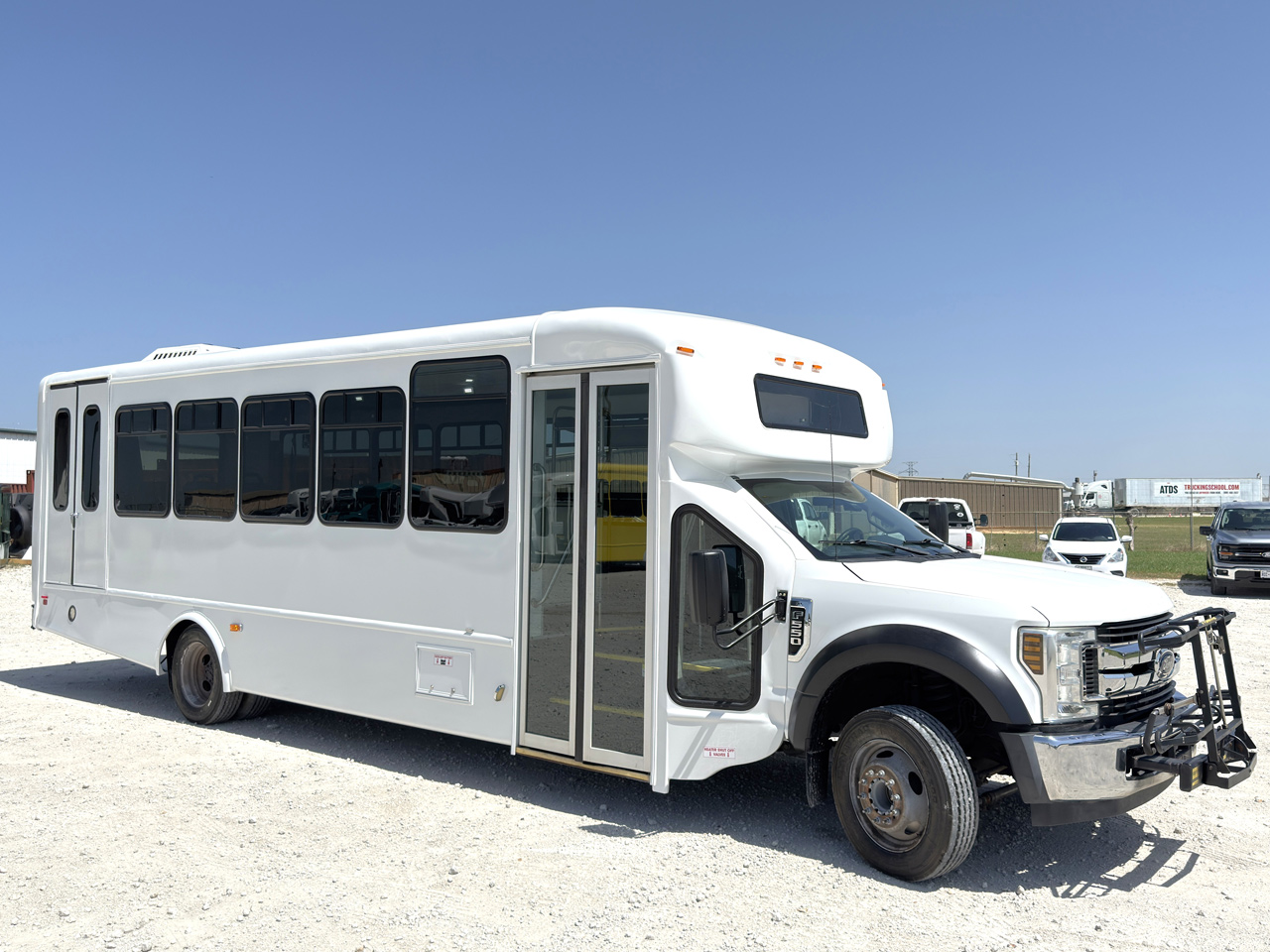
Condition: Used
Capacity
13 +2WS/LR
Engine
6.8L V-10 Gas
Status
In Stock
Category
Midsize
Stock
#265819
Mileage
107,100


Condition: Used
Capacity
13 +2WS
Engine
6.8L V-10 Gas
Status
In Stock
Category
Smaller
Stock
#267417
Mileage
77,400

Condition: Used
Capacity
33
Engine
6.7L V-8 Diesel
Status
Trade-In
Category
Larger
Stock
#2616811
Mileage
20,000

Condition: Used
Capacity
10 +2WS (S)
Engine
6.6L V-8 Gas
Status
Trade-In
Category
Smaller
Stock
#2617023
Mileage
53,000

Not sure where to start? Get the Bus Buying Guide
- Sizing & capacity
- New vs. used
- Budget & financing

Condition: Used
Capacity
13 +2WS (D)
Engine
7.3L V-8 Gas
Status
Deal Pending
Category
Smaller
Stock
#2612322
Mileage
50,000

Condition: Used
Capacity
15 CP-RS
Engine
3.5L V-6 Gas
Status
In Stock
Category
Van
Stock
#264719
Mileage
138,000
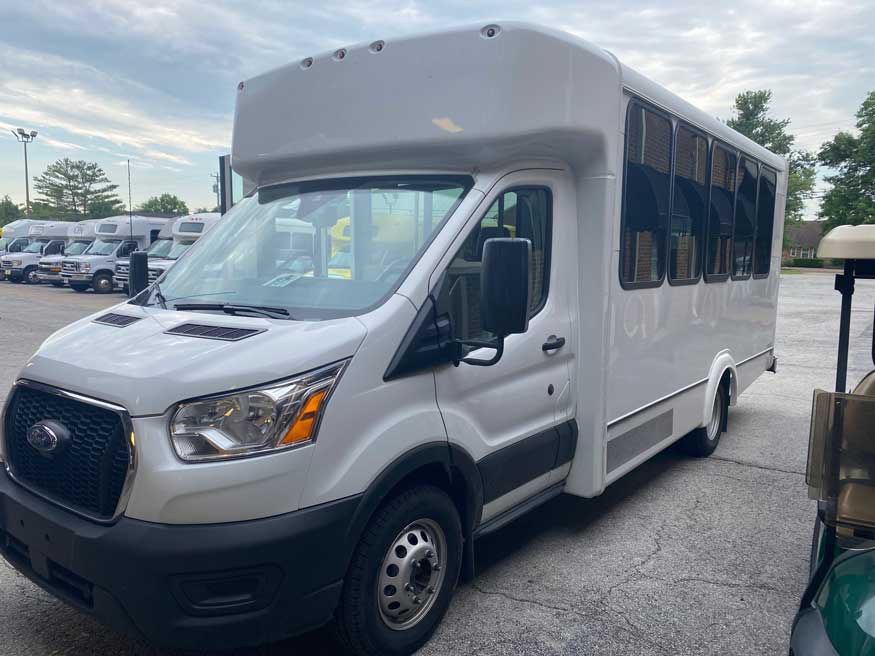
Condition: Used
Capacity
10 +1WS
Engine
3.5L V-6 Gas
Status
Trade-In
Category
Smaller
Stock
#2616920
Mileage
107,000

Condition: Used
Capacity
7 +4WS or 13+2WS
Engine
7.3L V-8 Gas
Status
In Stock
Category
Smaller
Stock
#2616121
Mileage
50,700

Condition: Used
Capacity
33 /29 RS
Engine
6.8L V-10 Gas
Status
In Stock
Category
Larger
Stock
#2615812
Mileage
52,200

Condition: Used
Capacity
13 +2WS/15
Engine
6.8L V-10 Gas
Status
Trade-In
Category
Smaller
Stock
#2616717
Mileage
89,000

Condition: Used
Capacity
13 +2WS
Engine
6.2L V-8 Gas
Status
Trade-In
Category
Smaller
Stock
#2616017
Mileage
115,000
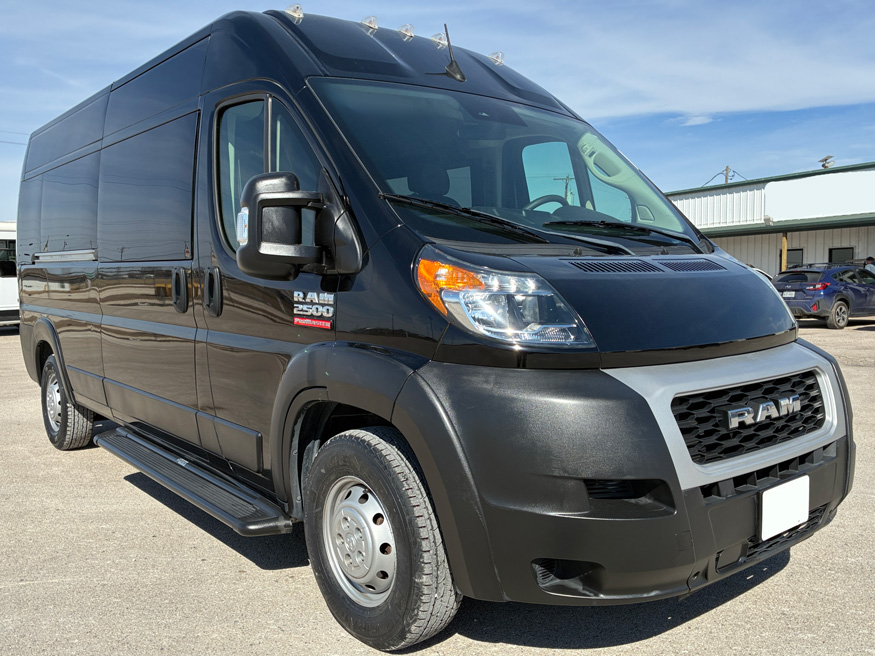
Condition: Used
Capacity
8 CP+2WS
Engine
3.6L V-6 Gas
Status
In Stock
Category
Van
Stock
#2516522
Mileage
12,100
Condition: Used
Capacity
13 +2WS/LR
Engine
6.8L V-10 Gas
Status
In Stock
Category
Midsize
Stock
#265819
Mileage
107,100
Condition: Used
Capacity
13 +2WS
Engine
6.8L V-10 Gas
Status
In Stock
Category
Smaller
Stock
#267417
Mileage
77,400
Condition: Used
Capacity
33
Engine
6.7L V-8 Diesel
Status
Trade-In
Category
Larger
Stock
#2616811
Mileage
20,000
Condition: Used
Capacity
10 +2WS (S)
Engine
6.6L V-8 Gas
Status
Trade-In
Category
Smaller
Stock
#2617023
Mileage
53,000
Not sure where to start? Get the Bus Buying Guide
- Sizing & capacity
- New vs. used
- Budget & financing
Condition: Used
Capacity
13 +2WS (D)
Engine
7.3L V-8 Gas
Status
Deal Pending
Category
Smaller
Stock
#2612322
Mileage
50,000
Condition: Used
Capacity
15 CP-RS
Engine
3.5L V-6 Gas
Status
In Stock
Category
Van
Stock
#264719
Mileage
138,000
Condition: Used
Capacity
10 +1WS
Engine
3.5L V-6 Gas
Status
Trade-In
Category
Smaller
Stock
#2616920
Mileage
107,000
Condition: Used
Capacity
7 +4WS or 13+2WS
Engine
7.3L V-8 Gas
Status
In Stock
Category
Smaller
Stock
#2616121
Mileage
50,700
Condition: Used
Capacity
33 /29 RS
Engine
6.8L V-10 Gas
Status
In Stock
Category
Larger
Stock
#2615812
Mileage
52,200
Condition: Used
Capacity
13 +2WS/15
Engine
6.8L V-10 Gas
Status
Trade-In
Category
Smaller
Stock
#2616717
Mileage
89,000
Condition: Used
Capacity
13 +2WS
Engine
6.2L V-8 Gas
Status
Trade-In
Category
Smaller
Stock
#2616017
Mileage
115,000
Condition: Used
Capacity
8 CP+2WS
Engine
3.6L V-6 Gas
Status
In Stock
Category
Van
Stock
#2516522
Mileage
12,100
Page 1 of 4
Choosing a Used Church or Shuttle Bus
Most churches and organizations shopping used are looking for the same bus: three years old, low miles, half the price of new. We call it the Purple Unicorn, and it almost never exists. What does exist is a real used market with real tradeoffs, and they are not the ones most buyers expect. Mileage is rarely the problem. Time is.
What We Do to a Used Bus Before It Gets Listed
Every used bus on this page goes through our own service department first. It starts with a used bus evaluation form, where the seller provides detailed information and photographs. Then one of our techs goes over the unit in person to determine what needs attention.
| What we address | Why it matters to you |
|---|---|
| New tires | Tires are the most commonly deferred maintenance item on a traded bus, and a full set is a real cost to inherit. |
| Air conditioning and heater repaired | Weak air conditioning is one of the most frequent findings on an older unit. We fix it before the bus is listed. |
| All lights working | Lighting faults are a safety and inspection issue, and wiring problems can point to bigger electrical trouble. |
| Brake pad life checked | You should know what is left before you buy rather than after the first hill. |
What we will not put on our lot
Anything that is not safe to drive. Rusted frames. Older units that would take heavy money to make safe. Air conditioning units that are obsolete and cannot be repaired. Buses with body parts we cannot source for future repairs.
That last one catches people by surprise. A bus can be mechanically sound and still be a bad buy if the panel or the compressor it needs is no longer made.
We turn used buses around within about 30 days of intake, depending on how busy the shop is. We have also rejected trades on arrival, when a unit looked fine in the photographs and was not the same bus coming off the truck.
When you buy at auction, off a marketplace listing, or directly from another organization, you have no way of knowing whether any of this has been done. Some sellers keep their buses up well. You just cannot tell from the listing.
What Affects How Long a Used Bus Lasts
Not mileage, in most cases. A typical church puts 3,000 to 5,000 miles a year on its bus, and these buses are built to run close to or over 200,000 miles. At that rate it would take decades to wear one out by driving it. What gets a used bus is time, not miles.
| Problem | What causes it | What it costs |
|---|---|---|
| Rotted floor | Oftentimes, weak seams in the roof let water in, and the water sits on the floor until it goes soft. On occasion, the air conditioner can leak, also causing the floor to eventually become soft. | $2,000 to $8,000 depending on how much of the floor has gone |
| Obsolete parts | Past roughly ten years, sourcing gets harder. Air conditioning units go obsolete and body panels stop being available. | Hard to price, because the repair may not be possible at any cost |
You can check the floor yourself
Walk the full length of the aisle and pay attention to what is under your feet. A soft spot is the tell. It is the single most useful thing you can do on a walkaround, and it costs nothing.
A low mileage bus that sat outside for twelve years can be in worse shape than a higher mileage bus that was covered and maintained. Ask where the bus was stored, not just how far it was driven.
What Warranty Comes with a Used Bus
This is where used differs most from new, and it is worth being plain about. A used bus carries only whatever is left of the original factory warranty. The OEM chassis warranty transfers automatically to the new owner, so if any of it remains, you get it. Nothing else carries over.
Because most organizations keep a bus at least five years before trading it, the factory coverage on a typical trade-in has already expired by the time it reaches our lot.
| Coverage | How it works on a used bus |
|---|---|
| Remaining OEM warranty | Transfers automatically to you. Often there is none left. |
| Optional service contract | Available for purchase on qualifying units. 12 months or 12,000 miles, $1,050 as of 2026, $100 deductible per visit. The bus must be 10 years old or newer with 100,000 miles or less. Powertrain only: the internal lubricated parts of the engine, transmission and drive axle. It does not cover air conditioning, heater, brakes, steering, suspension, electrical, body, doors or a wheelchair lift. Repairs must be authorized before work begins and you need to keep your maintenance receipts. Administered by a third party, not by Carpenter Bus. Pricing subject to change. |
| PlatinumCare, 8 yr / unlimited mi | Free to churches and senior care communities on a new bus. It belongs to the original buyer and does not transfer to a second owner. |
| SilverCare and GoldCare | New bus programs only. Neither transfers to a second owner. |
Note what the optional contract does not cover. Weak air conditioning is one of the most common things our techs find on an older bus, and a powertrain contract will not pay for it. We fix the air conditioning before we list the bus. After that it is yours.
Ask your rep what makes sense for the specific unit you are looking at rather than assuming the contract closes the gap.
The practical takeaway: on a used bus you own most or all of the repairs from the day you take delivery. That is the single largest cost difference between new and used over five years, and it is the one buyers most often leave out of the budget.
Buying a Used Church Bus
For a church, the biggest difference between a used bus and a new one is something most other buyers never have to weigh: the warranty. Carpenter Bus Sales offers the only 8-year unlimited mile warranty in the industry for churches, ministries, and senior care communities. It comes free on a new bus, and it stays with the church that bought it. A used church bus comes with none of it, even if the church that traded it in had full coverage.
That does not make used the wrong choice. It means the real comparison is not the sticker price. It is the sticker price plus the repairs your church will pay for on its own.
| For a church | Used 15 passenger bus | New 15 passenger bus |
|---|---|---|
| Starting price | Around $40,000 on this page | Around $105,000 |
| Coverage | Whatever is left of the factory chassis warranty, often none. Optional powertrain service contract on qualifying units. | PlatinumCare: 8 years, unlimited miles, bumper to bumper, free to churches |
| Repairs | Yours from the day of delivery | Covered for 8 years under the program terms |
| Finding the right one | Limited choice. You take the layout and colors that are available. | Choose from units in stock or order the layout you need |
Put both numbers in front of your committee
The price gap is easy to see. The repair budget is not. Before the vote, set the difference in price next to what your church could spend on tires, air conditioning, brakes and a floor over the years it plans to keep the bus. Then decide.
A 15 passenger bus seats 14 riders plus the driver, and it stays under the federal 16 passenger threshold for a commercial driver's license, which matters when your drivers are volunteers. Weight, state rules and how the bus is used still apply, so confirm the rules in your state.
Carpenter Bus Sales delivery records show that roughly two-thirds of the buses Carpenter Bus delivered since January 2022 (records through July 2026) were small buses with 15 passengers or fewer. It is also the size where used inventory runs thinnest. If your church needs a bus by a set date, look at new and used small buses side by side.
| Before your church buys | What to check |
|---|---|
| Count the seats | The number on every Carpenter Bus listing includes the driver. A 15 passenger bus carries 14 riders. |
| Walk the aisle | Feel for soft spots in the floor. It is the most useful free check on any used bus. |
| Ask where it was stored | A bus kept under cover can be in better shape than one parked outside for years, whatever the mileage. |
| Plan where you will keep it | Rick Cassels, Regional Sales Manager at Carpenter Bus Sales, says not having enough storage is the regret he hears most often from customers after they buy. |
| Know who will drive | Confirm your volunteer drivers are licensed for the bus you choose under your state's rules. |
| Agree on must-haves first | Settle seat count, wheelchair needs and budget as a committee before you shop, so seat color or layout does not stall the vote. |
Is the Bus Central to Your Operation?
This is the question our reps use, and it cuts across every kind of buyer. If the bus is how you make your livelihood, or how your organization delivers on its core mission, buy new. A tour or charter operator with a bus in the shop is not earning. A shuttle or parking company with a unit down is failing a contract. A senior care community that cannot get residents to medical appointments has a real problem on Monday morning, not an inconvenience.
In those cases availability is worth more than the savings. The cheaper bus stops being cheaper the first week it is off the road. If the bus supports the work rather than carrying it, a Sunday route, an occasional outing, a second vehicle for overflow, used becomes a reasonable choice.
| Used tends to fit when | New tends to fit when |
|---|---|
| Annual mileage is low | The bus is how you earn or how you deliver your mission |
| The bus supports the work rather than carrying it | Being down a week would be a serious problem |
| You can absorb repairs as they come | You need a specific wheelchair configuration |
| Budget is a hard constraint | Nobody in the organization will stay on top of maintenance |
Two Things Used Buyers Get Wrong
Used is usually slower to buy, not faster
Used inventory is thin, especially in 15 passenger, and nothing like shopping for a used car. Buyers also arrive with a specific combination in mind: a mileage ceiling, a price, a layout. That is a hard set of conditions to satisfy from a limited pool.
On top of that, used buses come with quirks a new bus would not have, such as an unusual seat color or an interior that does not match what the group pictured. Those become committee discussions, and committee discussions take weeks. If you need a bus by a specific date, a new unit already in stock is often the faster path.
Wheelchair layouts are the hardest thing to find used
Organizations that buy a wheelchair equipped bus tend to keep it, because it is difficult to replace. If a specific configuration is a requirement rather than a preference, waiting for the right used unit can take longer than ordering the bus you need. Browse wheelchair accessible buses across both new and used.
Not Quite What You Are Looking For?
Used Buses Under $40,000
Older, higher mileage units sold as is. Start here if your budget is firm and you can take on more of the upkeep.
New Buses
Built to your specification, with warranty included and the free 8 year program for churches and senior care communities.
Small Buses, 15 passengers or fewer
Under the federal CDL limit. That page also explains the capacity codes and chassis weight ratings you will see on used listings.
Mid Size Buses, 16 to 28 passengers
Where shuttle and charter operators land most often. A used mid size unit often costs less than a new small bus.
Large Buses, 29 passengers and up
The size class where used makes the biggest dollar difference, because the same percentage off a larger price is a much larger saving.
Wheelchair Accessible Buses
Every accessible unit in stock, new and used. The right starting point if a lift is a requirement rather than a nice to have.